LAPD Officer Slams My Bodycamera Onto Hood Of Patrol Unit
Published May 15, 2015 Photography 98 Comments
LAPD Arrested Me, Then Lied About It
Published April 1, 2015 Harassment , Hollywood , LAPD , LAPD 44 , Los Angeles , Photographers' Rights , Photography , Photojournalism , Police , Police Harassment , Sergeant Rudy Vidal , Street photography 2 CommentsTags: discarted, foster, lapd, Los Angeles, palmer, shawn nee
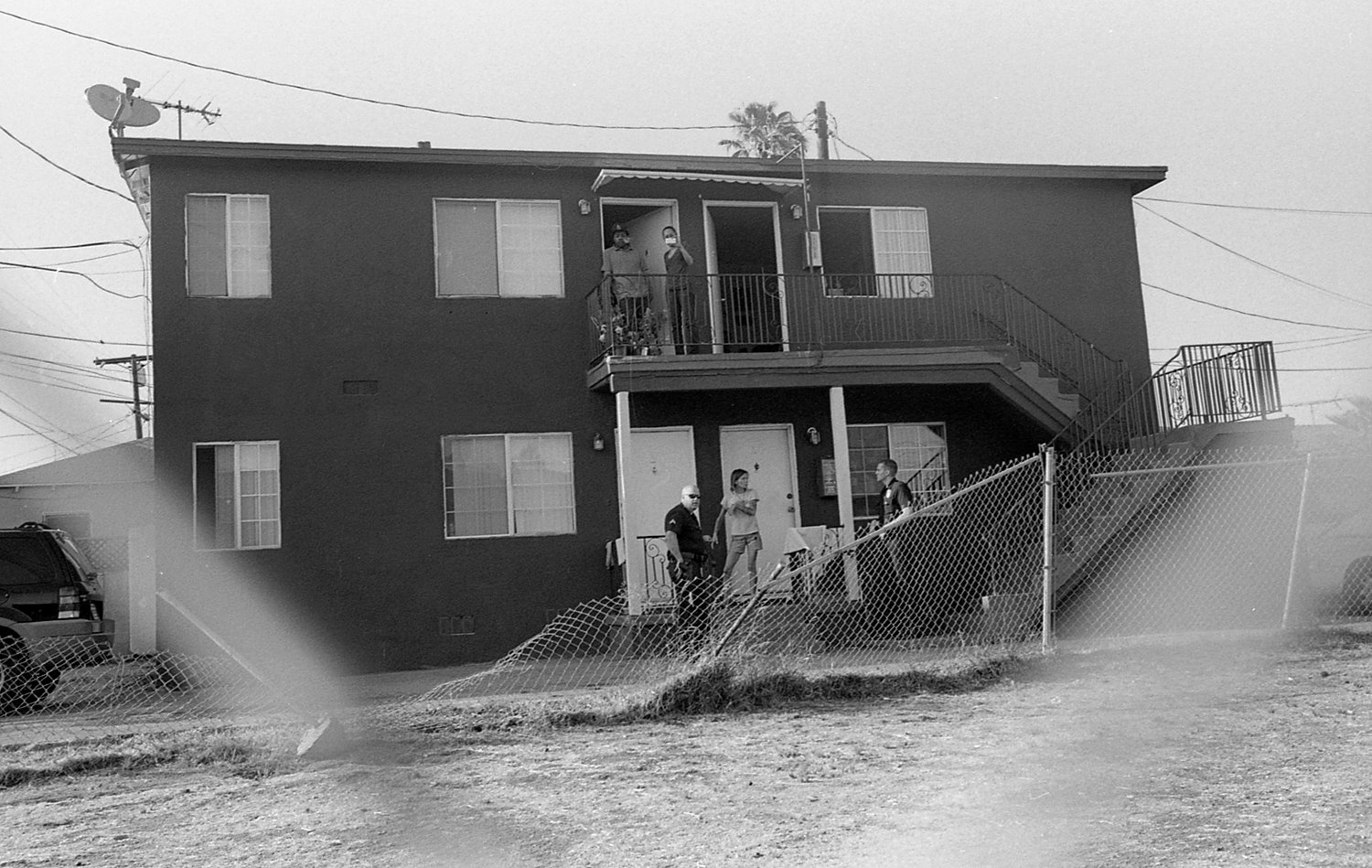
Despite LAPD officers, Kevin Foster and Michael Palmer, arresting me for taking this picture and claiming I “interfered” with their investigation, Algennon and his wife (the people on the balcony) weren’t arrested for “interference” when they recorded my arrest from the same distance.
Published March 11, 2015 discarted , Documentary Photography , Hollywood , Los Angeles , Photography , Shawn Nee Leave a Comment
Tags: discarted, hollywood, shawn nee

Published March 9, 2015 Hollywood , Los Angeles , Photography , Shawn Nee , Street photography Leave a Comment
Tags: discarted, hollywood, shawn nee, Street photography

Bryan looks for UFOs
Published March 6, 2015 discarted , Documentary Photography , Hollywood , Los Angeles , Photography , Shawn Nee Leave a Comment
Tags: discarted, shawn nee

I’ve known more people who have been killed by alcohol than crack (but maybe I just know more alcoholics than crack addicts)
LAPD Officer Campbell #38032
Published March 4, 2015 Above The Law , discarted , Documentary Photography , Harassment , Hollywood , LAPD , Los Angeles , Photographers' Rights , Photography , Police , Police Harassment , Shawn Nee , Street photography Leave a CommentTags: Campbell #38032, first amendment, Halloween, hollywood, LAPD Campbell #38032, LAPD harassment, LAPD Officer Campbell #38032, Los Angeles Police Department, Photographers' Rights, right to observe, unlawful arrest, unlawful detainment

The LAPD cop who arrested a photographer for “interfering” because he ran up the street to document police activity.
Published December 8, 2014 Documentary Photography , LAPD , Los Angeles , Photography , Photojournalism , Shawn Nee 1 Comment
Tags: discarted, shawn nee
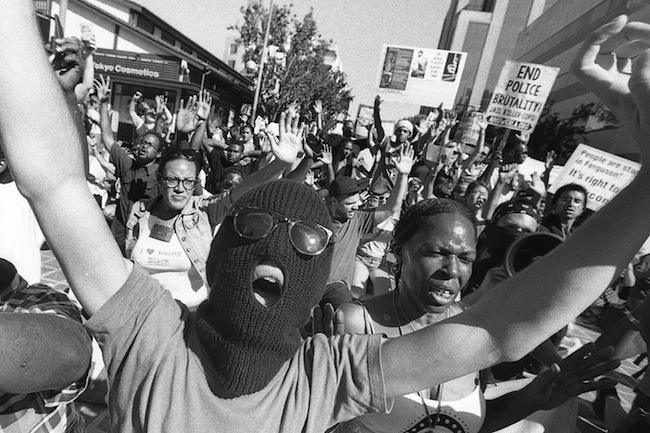 END POLICE BRUTALITY!
Published November 6, 2014 Hollywood , Photography , Shawn Nee , Street photography Leave a Comment
Tags: discarted, hollywood, shawn nee

A Photographer’s Guide to the First Amendment (and what to do if you get arrested)
Published October 27, 2014 Photographers' Rights 8 Comments
HALLOWEEN 2013: A Requiem For My Right to Document LAPD
Published October 21, 2014 Above The Law , discarted , Documentary Photography , Harassment , Hollywood , LAPD , Los Angeles , Photographers' Rights , Photography , Police , Police Harassment , Shawn Nee , Street photography 4 CommentsTags: discarted, first amendment, Halloween, hollywood, lapd, LAPD Sergeant Martin #33678, Los Angeles, Los Angeles Police Department, Photographers' Rights, Police Harassment, shawn nee, Street photography, violation of rights
For the past 3-5 years, I’ve documented Hollywood Blvd on Halloween night. The work can be viewed here, here, and here. So of course I’ll be doing the same again this year.
But to help remind the Los Angeles Police Department that I have a right to stand in public space and document police activity without the threat of arrest, or any other kind of interference, I’m finally publishing last year’s videos of their officers doing the following to me:
HARASSING ME
THREATENING ME WITH ARREST
TARGETING ME BECAUSE OF A CAMERA
INTENTIONALLY USING THEIR HANDS TO BLOCK MY CAMERA
INTENTIONALLY USING A FLASHLIGHT TO BLIND MY CAMERA
COMMITTING BATTERY
After watching the following videos, please use twitter to let LAPD know how you feel about their actions.
They can be reached at the following Twitter accounts: @LAPDhq, @911LAPD, @LAPDhollywood, @LAPDHDQTRS and @LAPDChiefBeck
LAPD officer gestures and mumbles not to take pictures:

LAPD officer Kevin Palmer #2204 walks by me, turns around, and stands behind me:
LAPD officers harass and threaten me with arrest while other people without cameras are allowed to move freely. Sergeant Martin #33768 arrives to defend status quo:
LAPD officers intentionally use their hands to block my camera, violating my rights as well as LAPD’s internal policies. Two of the officers claim they didn’t violate anything:

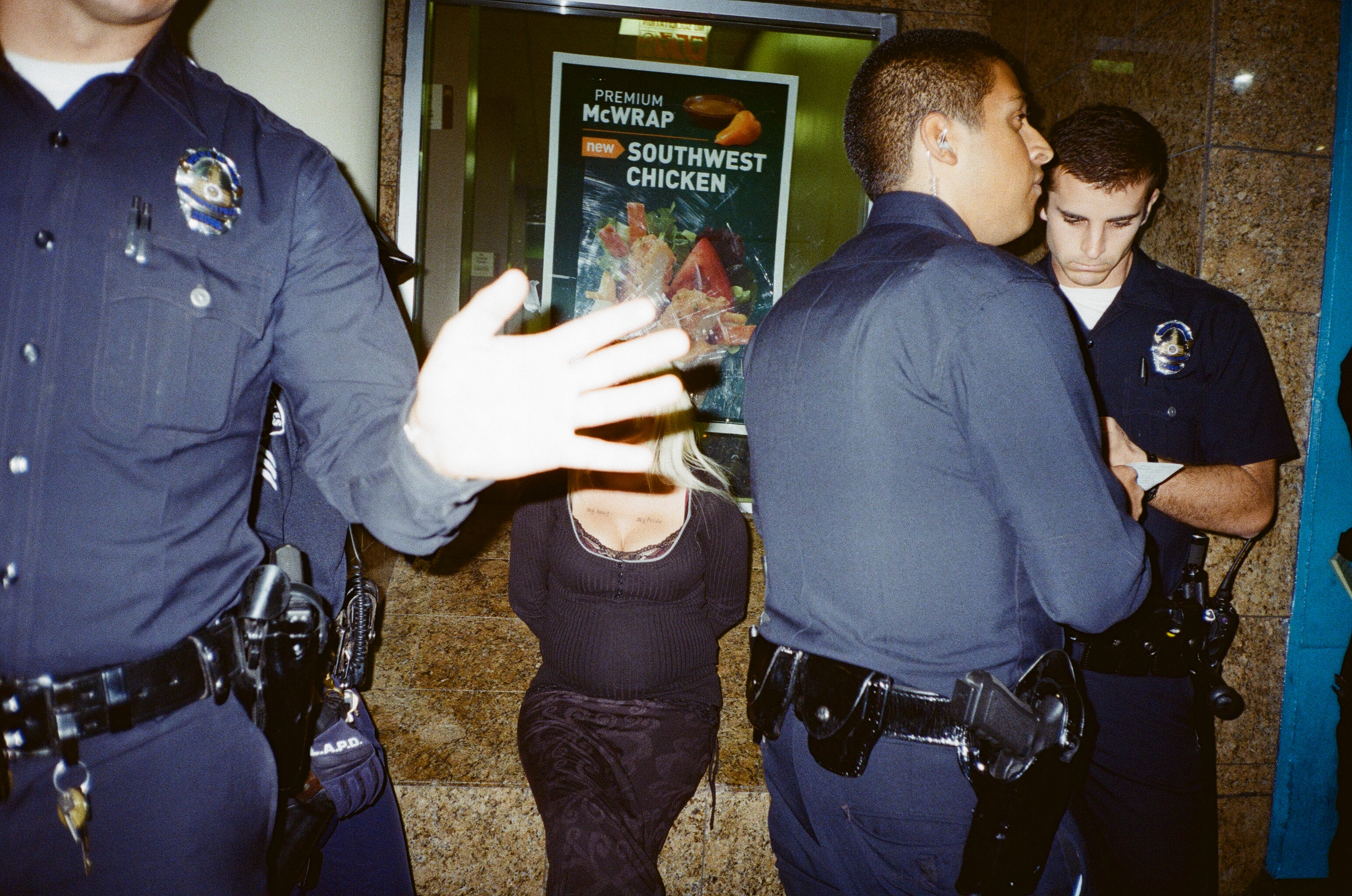

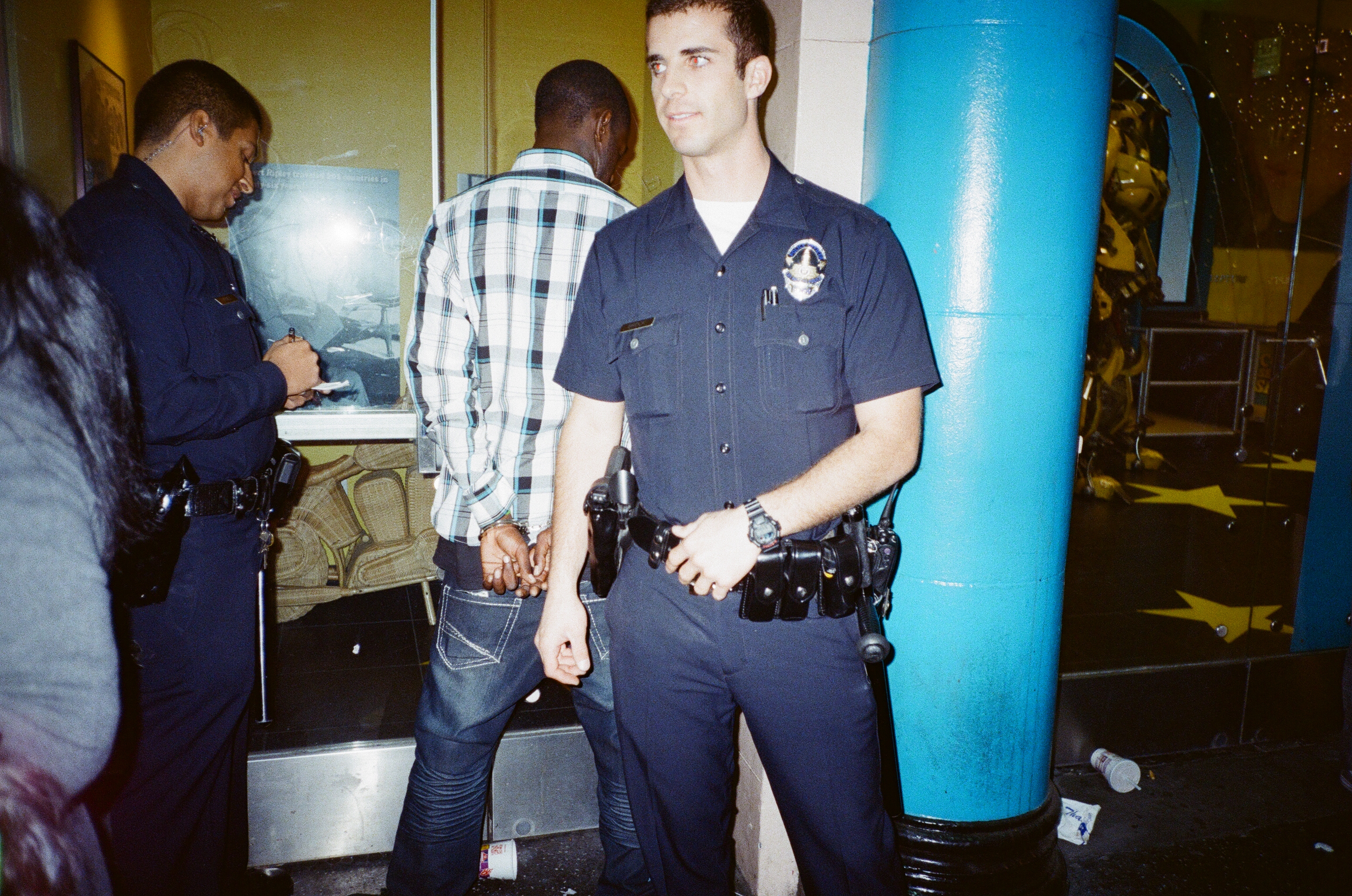
A couple of LAPD “heroes” power-trip because I wasn’t standing where they wanted me to stand while waiting to cross the street. One of them actually says, “Did you just cross my yellow tape?” Last time I checked, the tape belongs to myself and taxpayers. The mindset of today’s cop (sigh):
LAPD officer #18908 tells me not to take pictures and intentionally uses his flashlight to blind my camera multiple times. Meanwhile, an undercover cop cheap shots me from behind by slamming his body into me. Like a coward, he quietly slithers back into the crowd as though he never committed the crime of battery against me:
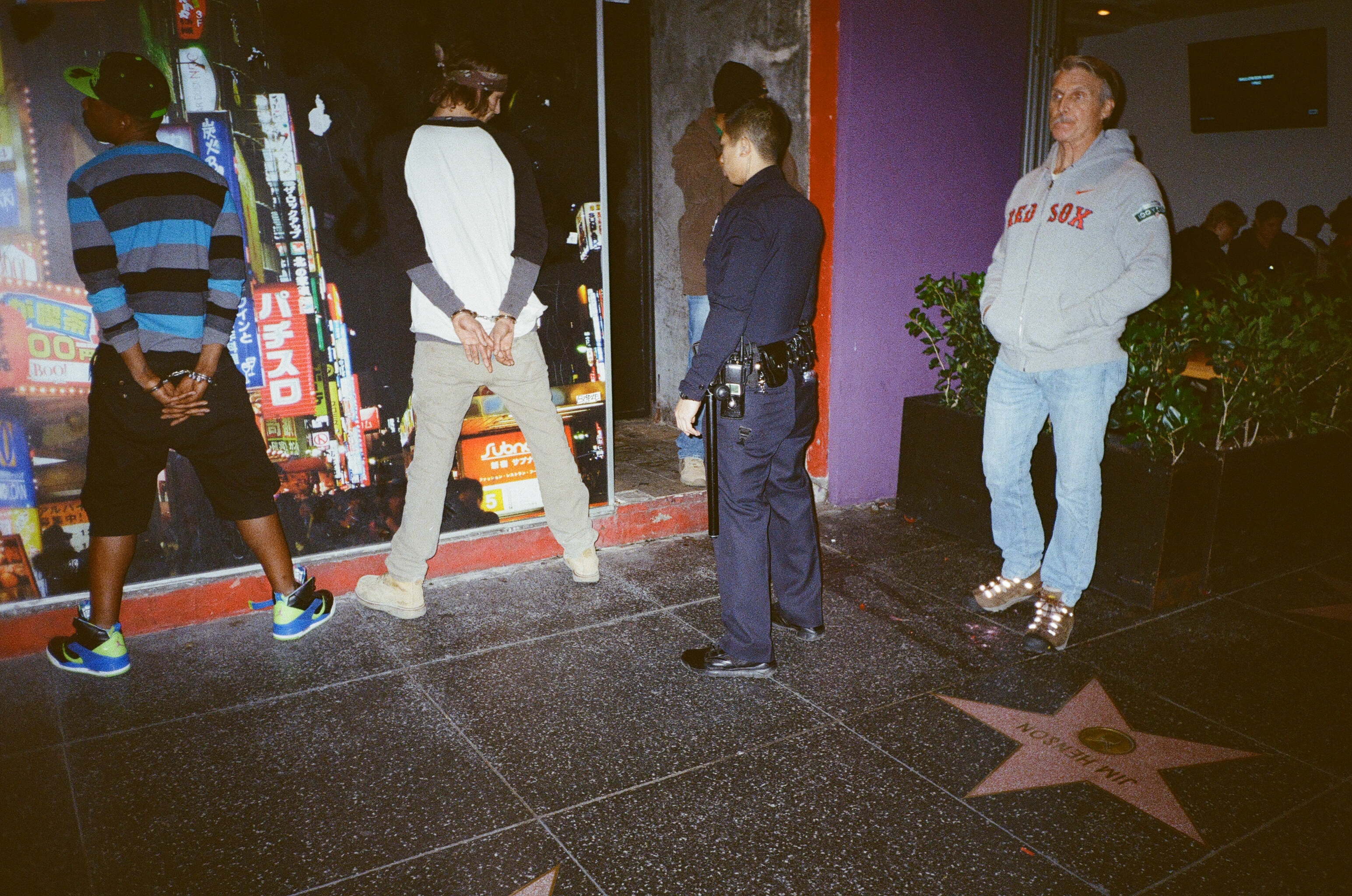


Historically speaking, my videos clearly show that LAPD officers weren’t recognizing my rights to freely observe and document police activity. One officer (whom I feel is the most professional officer in Hollywood) admits that “new officers” just don’t know.
So is LAPD’s tendency to violate my rights a training issue? An officer issue? Or a cultural issue?
Here’s one more from 2012 (which is not the only video from that year showing LAPD harassing me for taking pictures):
 boywithgrenade.org